
Residential Solar Energy

Residential Solar Energy

Residential Solar Energy

Residential Solar Energy

Installation Locations
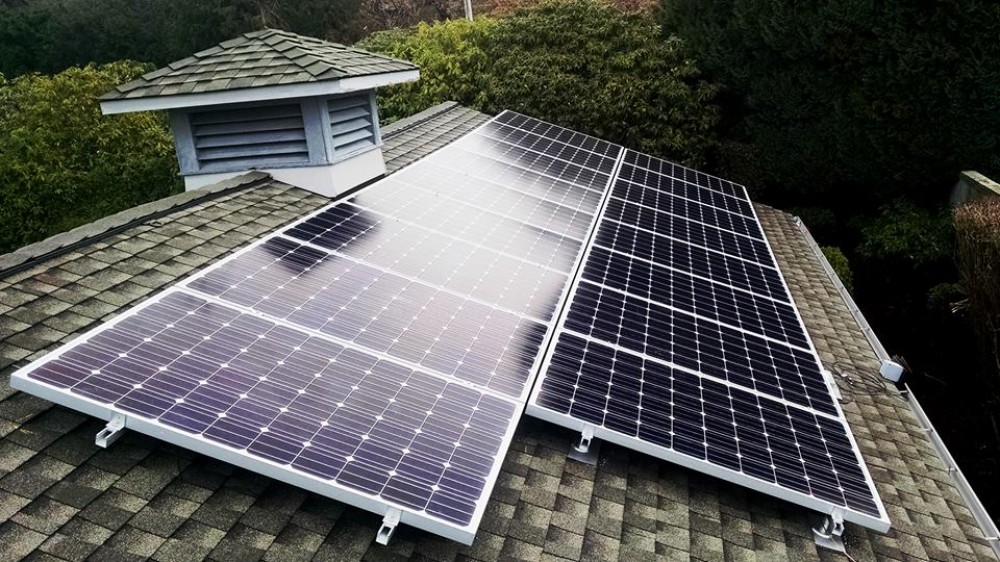
Roof Top Installation

Mounted directly on all roof types with a track mounting system. Even a flat roof has a solution.
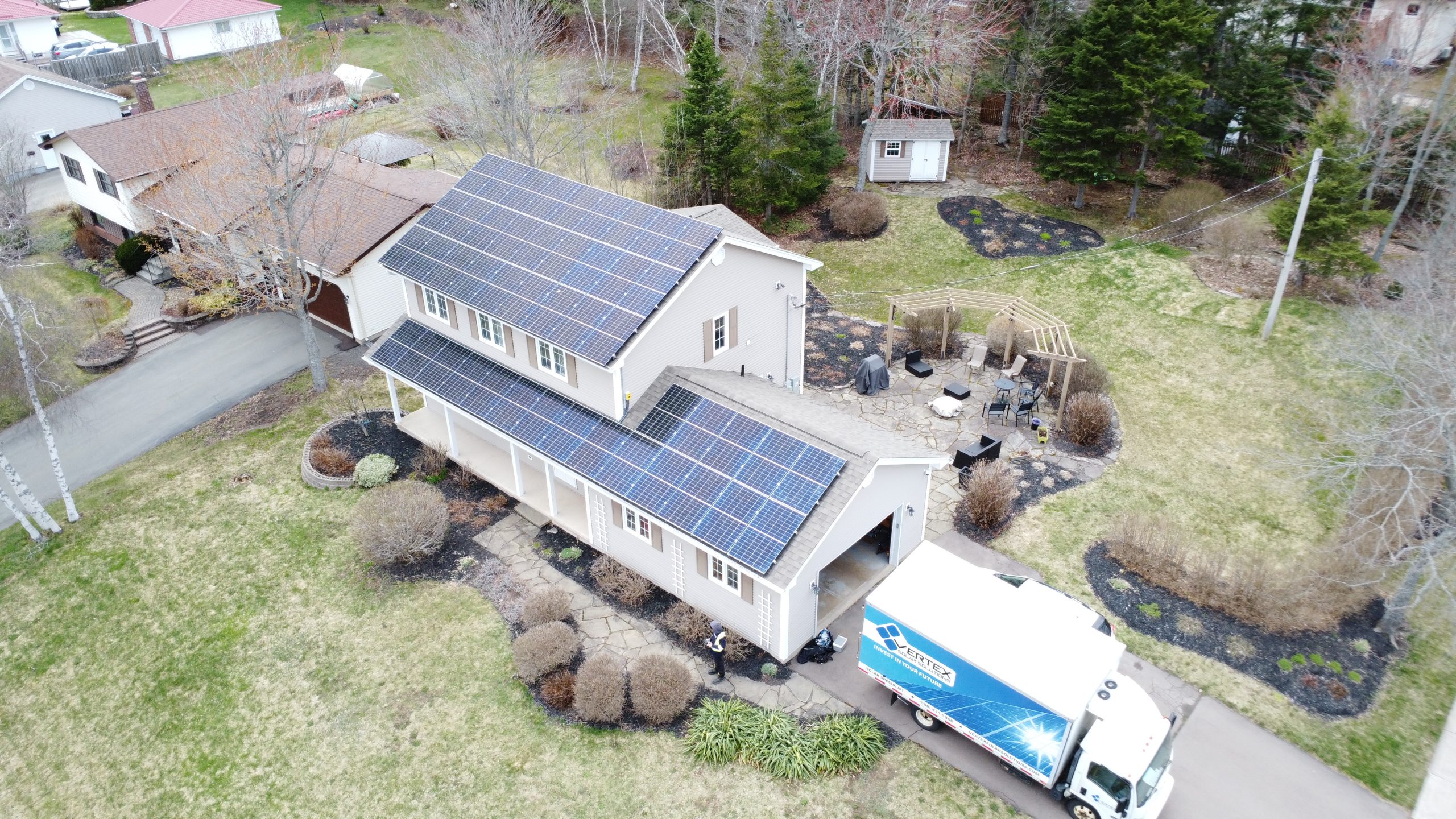
Here are some key reasons why roof-mounted solar systems may be preferable:
  • Space Efficiency

    • Maximizes Property Use: Roof installations utilize otherwise unused space, while maintaining gardens, lawns, and other outdoor spaces for use.
  • Cost Savings

    • Reduced Installation Costs: Roof installations often require less structural work compared to ground mounts.
  • Aesthetic Considerations

    • Less Visible: Rooftop solar panels are less obtrusive and can blend into the architecture of the building, preserving the aesthetic appeal of the property.
  • Increased Property Value

    • Market Appeal: Homes and businesses with solar panels installed on the roof may have increased property values and appeal to environmentally conscious buyers.
Roof Top Installation

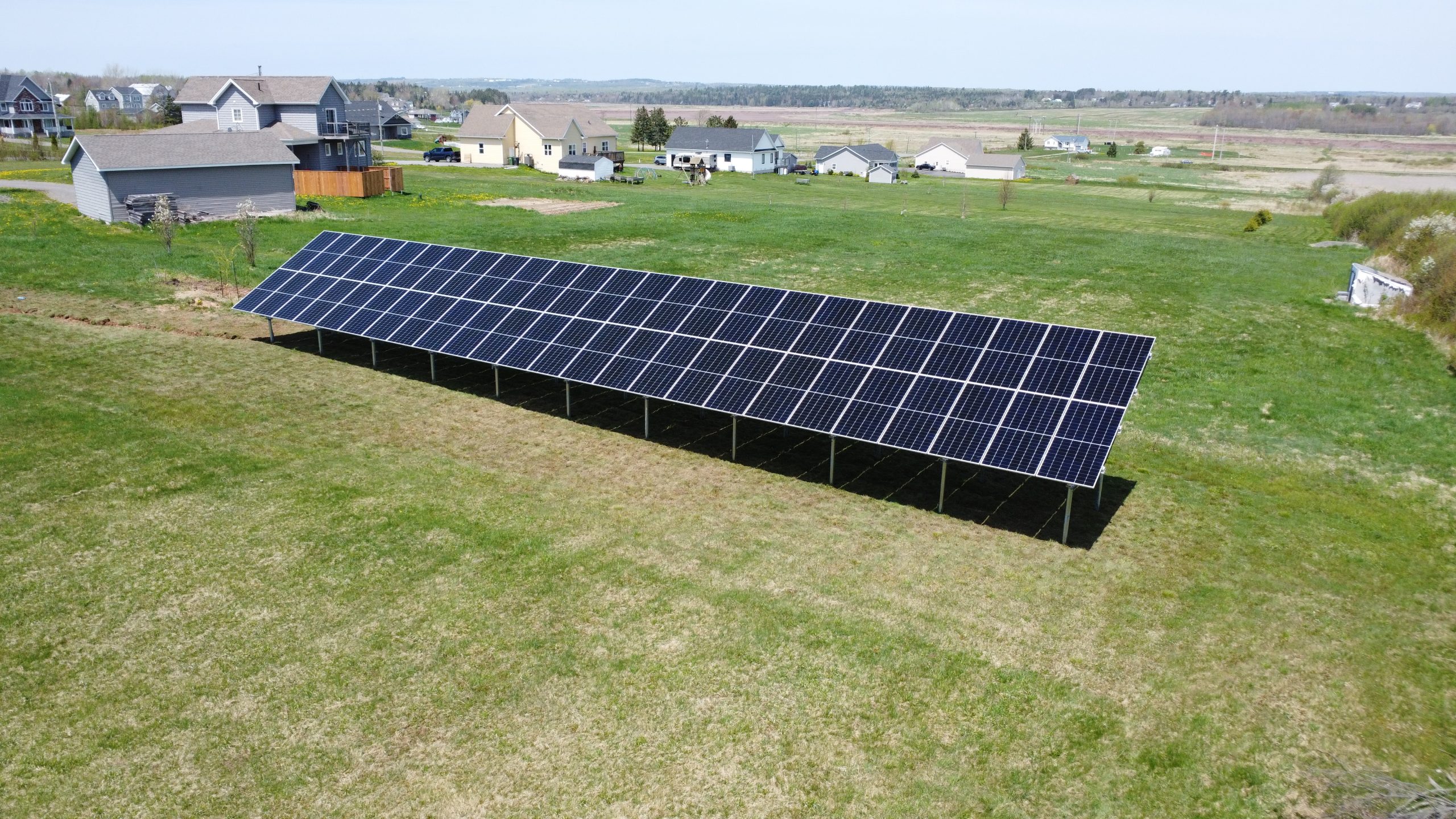
On the ground with a custom racking system to maximize the power you can generate.
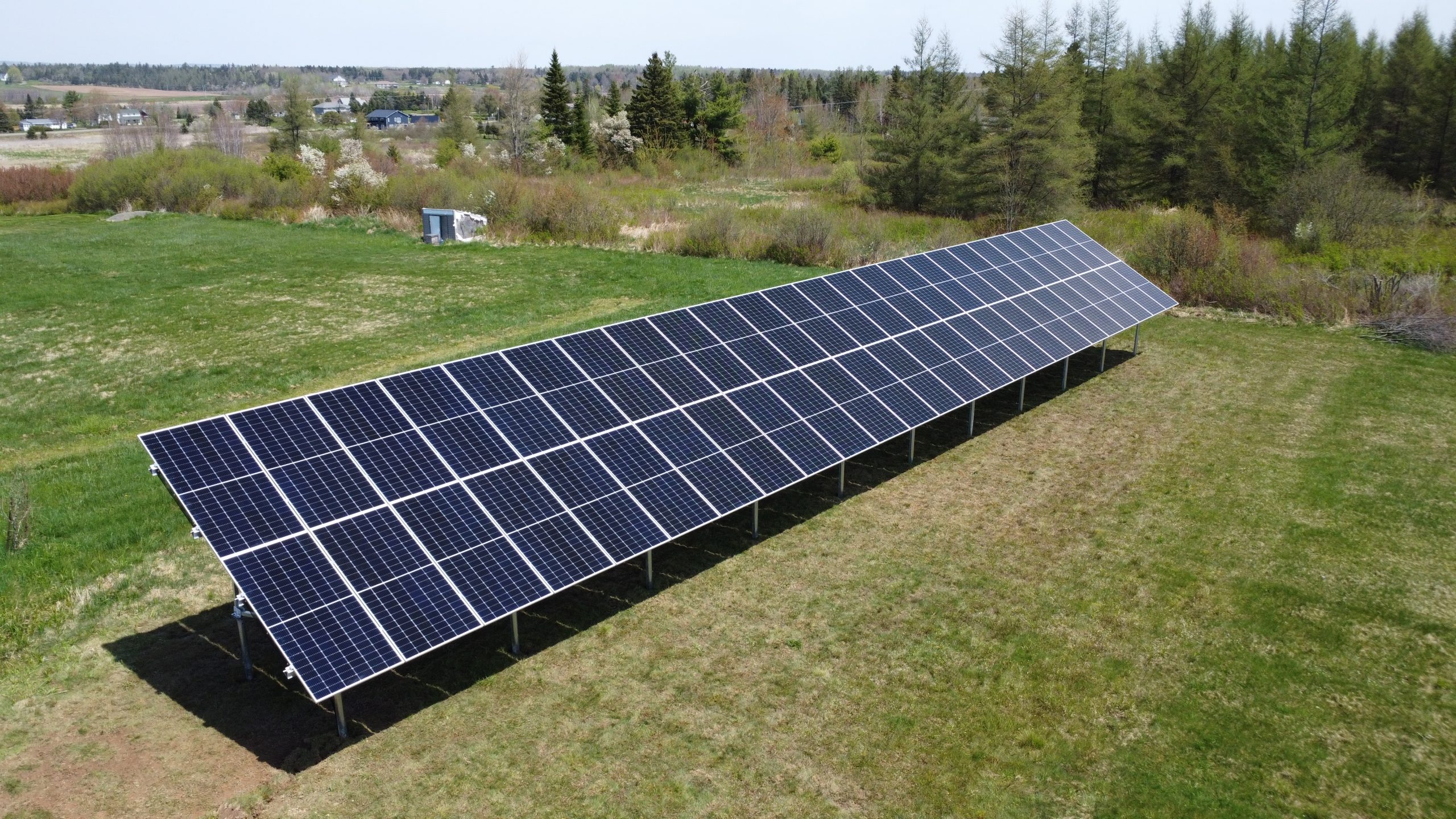
Installing solar panels on the ground can offer several advantages:

  • Easier Installation and Maintenance

    • Accessibility: Ground-mounted systems are typically easier to access for installation, maintenance, and repairs.
  • Better Sun Exposure

    • Optimal Orientation and Tilt: Ground-mounted systems can be oriented and tilted to achieve the best angle for maximum sun exposure, which can enhance energy production.
  • Increased System Size

    • Larger Capacity: Ground-mounted are easier to scale up the system to meet higher energy needs without the limitations of roof space.
  • Lower Replacement Costs

    • Easier to Upgrade: Ground systems can be more easily upgraded or expanded as technology advances or energy needs change.

Installation Locations

Roof Top Installation

Mounted directly on all roof types with a track mounting system. Even a flat roof has a solution.

Here are some key reasons why roof-mounted solar systems may be preferable:

  • Space Efficiency

    • Maximizes Property Use: Roof installations utilize otherwise unused space, while maintaining gardens, lawns, and other outdoor spaces for use.
  • Cost Savings

    • Reduced Installation Costs: Roof installations often require less structural work compared to ground mounts.
  • Aesthetic Considerations

    • Less Visible: Rooftop solar panels are less obtrusive and can blend into the architecture of the building, preserving the aesthetic appeal of the property.
  • Increased Property Value

    • Market Appeal: Homes and businesses with solar panels installed on the roof may have increased property values and appeal to environmentally conscious buyers.
Roof Top Installation

On the ground with a custom racking system to maximize the power you can generate.

Installing solar panels on the ground can offer several advantages:

  • Easier Installation and Maintenance

    • Accessibility: Ground-mounted systems are typically easier to access for installation, maintenance, and repairs.
  • Better Sun Exposure

    • Optimal Orientation and Tilt: Ground-mounted systems can be oriented and tilted to achieve the best angle for maximum sun exposure, which can enhance energy production.
  • Increased System Size

    • Larger Capacity: Ground-mounted are easier to scale up the system to meet higher energy needs without the limitations of roof space.
  • Lower Replacement Costs

    • Easier to Upgrade: Ground systems can be more easily upgraded or expanded as technology advances or energy needs change.

Bank Your Power For Later

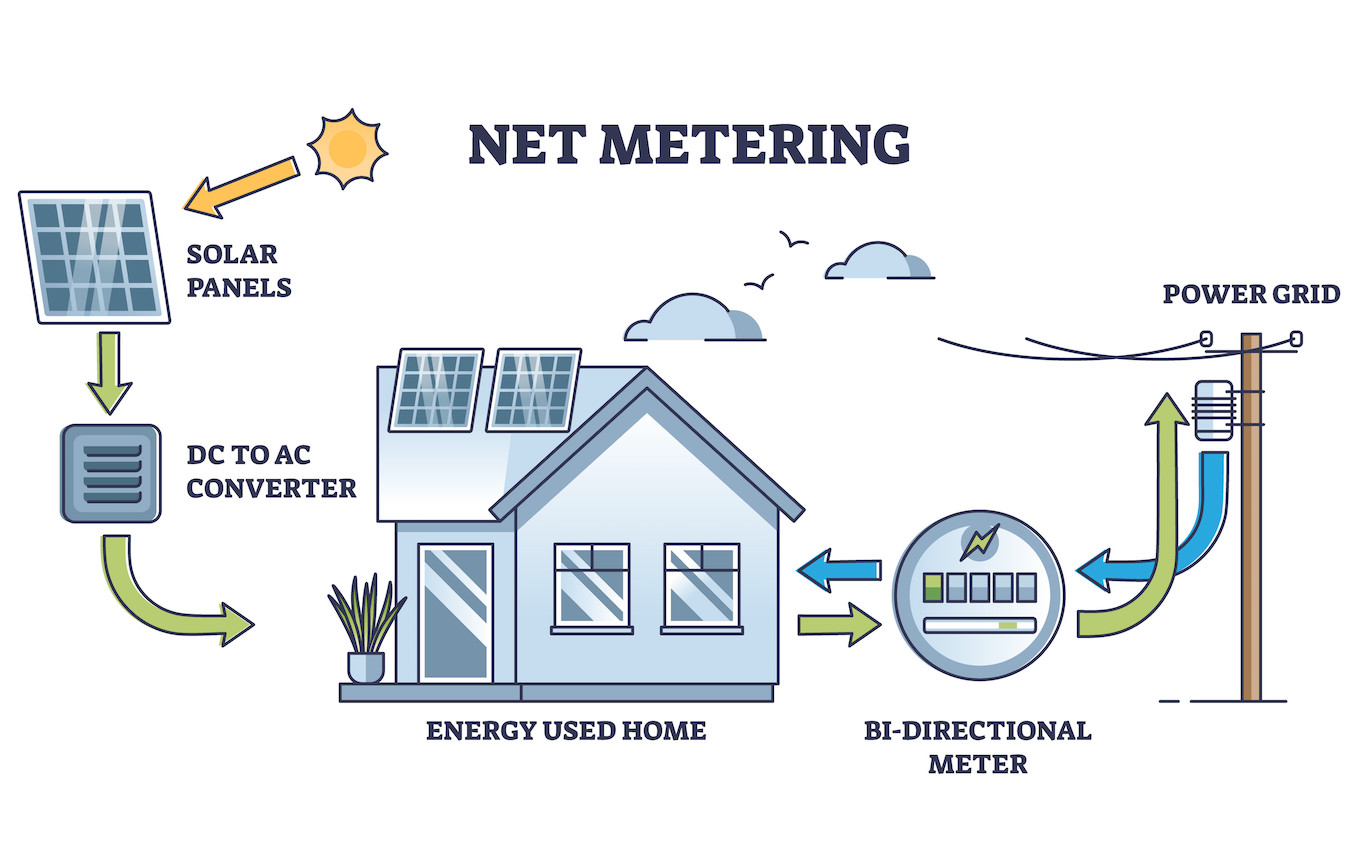
Take advantage of the Net Metering program to be able to cover 100% of your electricity consumption.

How Net Metering Works
Step 1

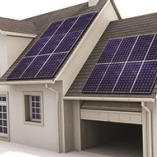
Solar panels will generate electricity for your home.
Step 2

Electricity that has been produced in excess will be sent to the utility company.
Step 3

Utility company will return energy to your home when you need it.
Bank Your Power For Later

Take advantage of the Net Metering program to be able to cover 100% of your electricity consumption.

How Net Metering Works

Step 1

Solar panels will generate electricity for your home.

Step 2

Electricity that has been produced in excess will be sent to the utility company.

Step 3

Utility company will return energy to your home when you need it.

Interested in learning more about Net Metering?
Battery Backup Section
There Has Never Been A Better Time To Buy

With all of the Government incentives, lorem ipsum dolor sit amet, consectetur adipiscing elit,